Meet the Mushrooms.
Mushrooms have been part of human life for thousands of years, valued not only as food but also for their medicinal, spiritual, and cultural significance. They come in a wide range of shapes, sizes, and colors, offering diverse benefits that can support physical health, mental clarity, and overall well-being.
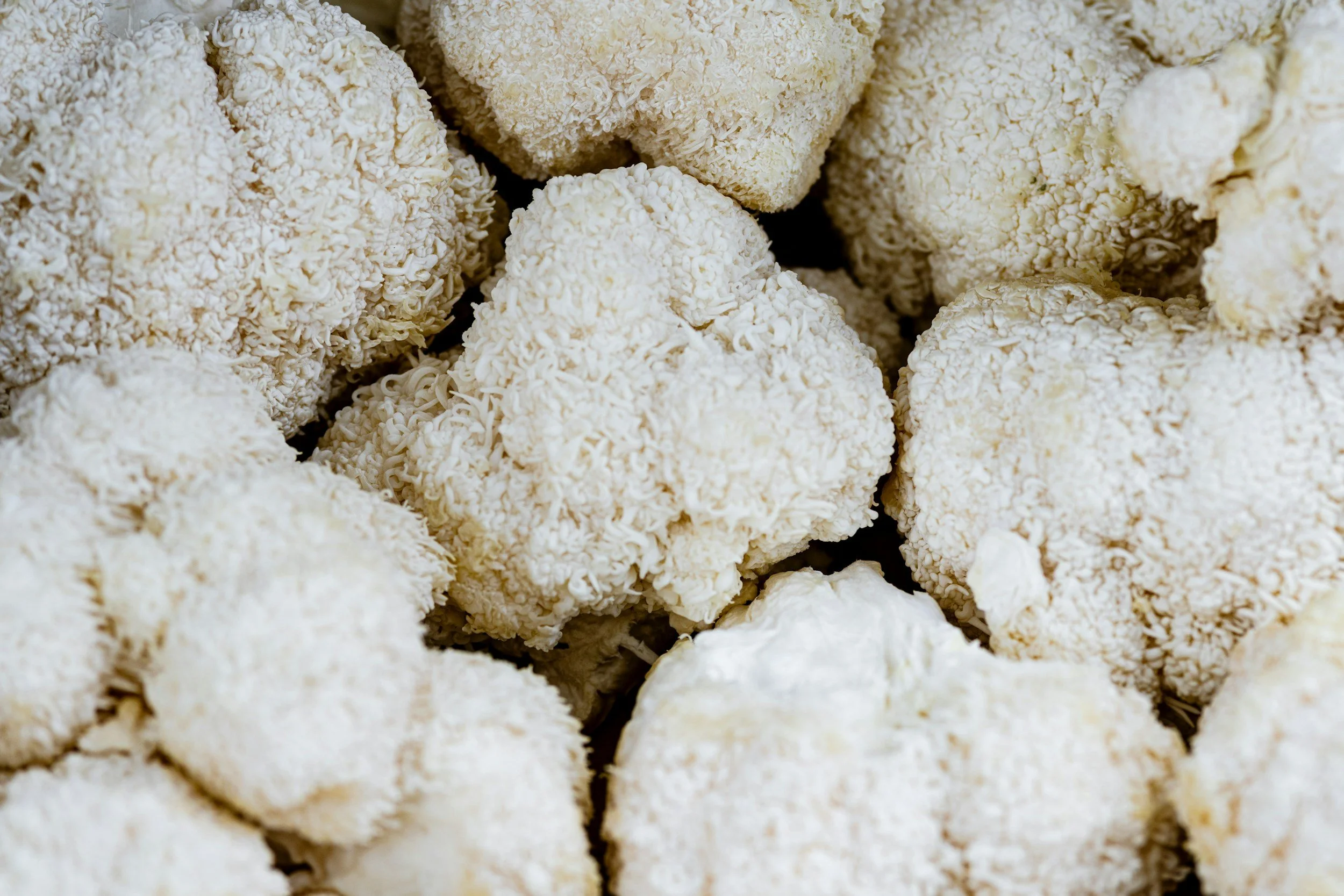
Lion’s Mane mushroom (Hericium erinaceus) is a white, shaggy-looking fungus that grows on hardwood trees and is known for both its culinary use (mild, seafood-like flavor) and its potential brain-supporting properties. Potential health benefits include: Cognitive support – may help memory and focus by stimulating Nerve Growth Factor. Nerve health – studied for supporting nerve repair and regeneration. Mood support – may help reduce mild anxiety and depressive symptoms. Immune support – contains compounds that can support immune function. Anti-inflammatory effects – may help reduce inflammation in the body.
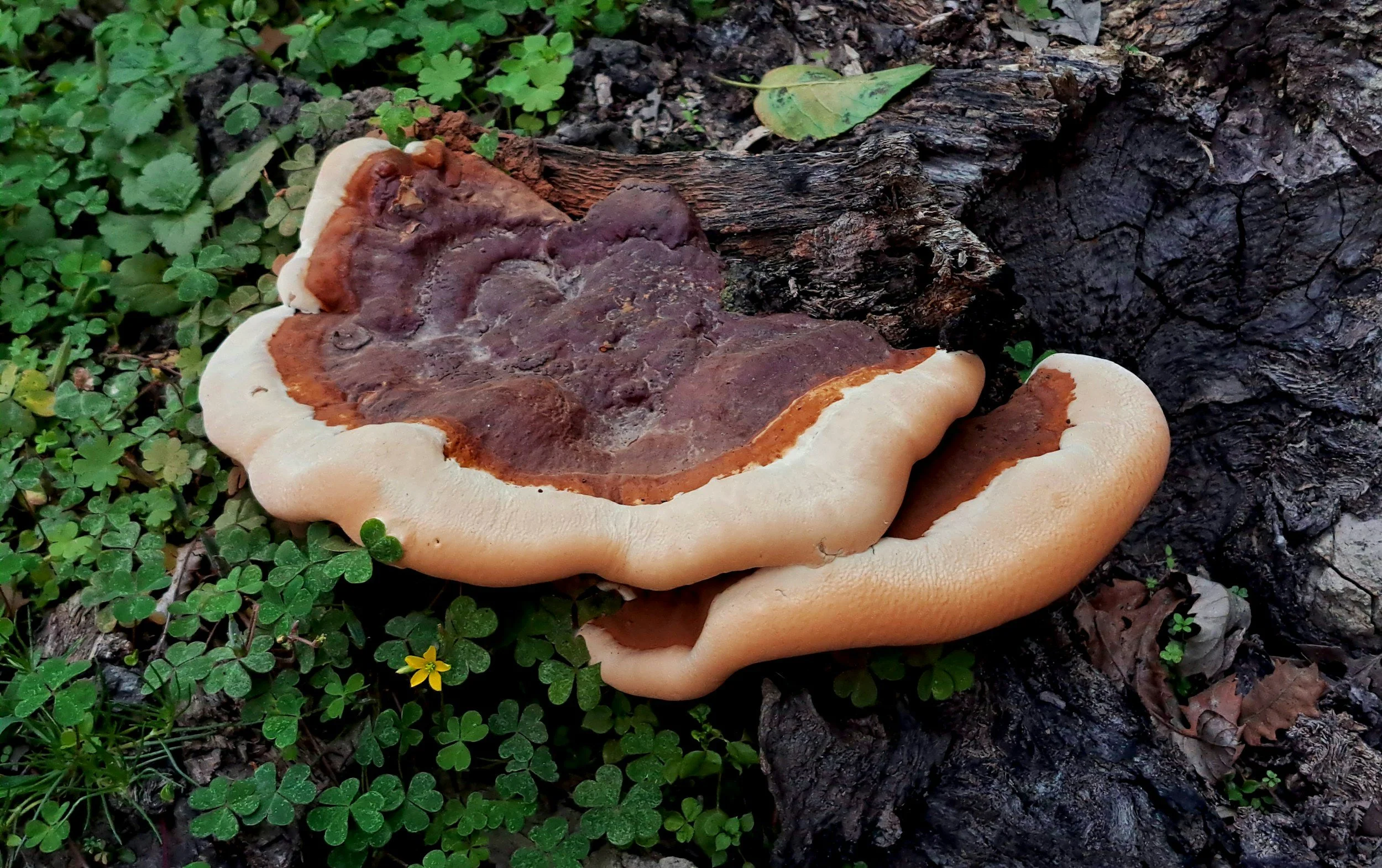
Reishi mushroom (Ganoderma lucidum) is a glossy, reddish-brown fungus often called the “mushroom of immortality” in traditional Eastern medicine. It’s typically consumed as a tea, extract, or powder rather than eaten fresh due to its bitter taste. Potential health benefits include: Immune support – helps regulate and strengthen immune response. Stress & sleep support – known for calming effect. Anti-inflammatory properties – may help reduce chronic inflammation. Heart health support – studied for effects on blood pressure and cholesterol. Antioxidant activity – helps protect cells from oxidative stress.
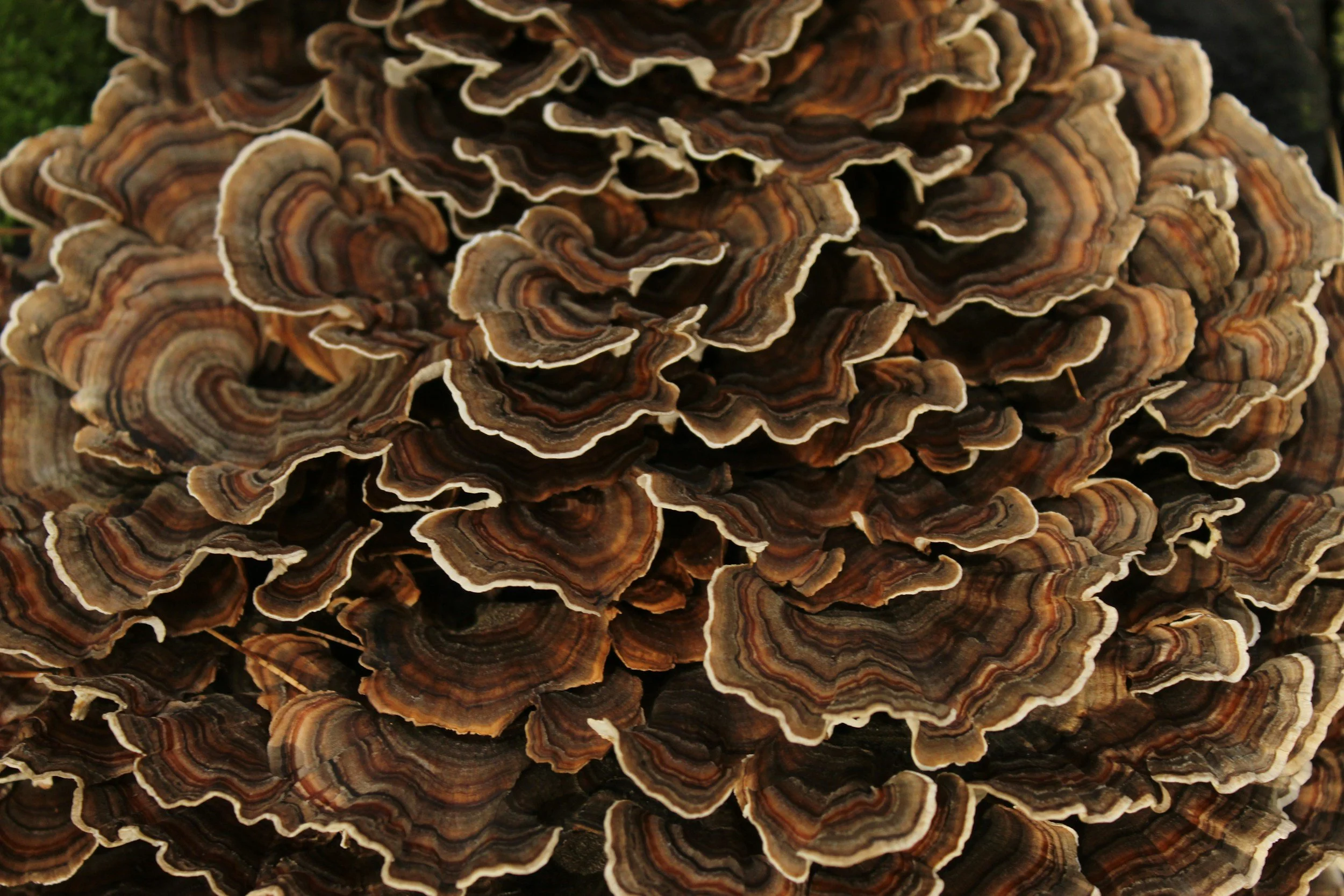
Turkey Tail mushroom (Trametes versicolor) is a colorful, fan-shaped fungus that grows on decaying wood and resembles the layered feathers of a turkey’s tail. It’s widely used in traditional medicine and modern research, often consumed as tea, capsules, or extracts. Potential health benefits include: Immune system support – contains compounds like polysaccharopeptides (PSK, PSP) that help regulate immunity Gut health support – acts as a prebiotic, feeding beneficial gut bacteria. Antioxidant properties – helps protect cells from oxidative stress. Anti-inflammatory effects – may help reduce inflammation throughout the body.
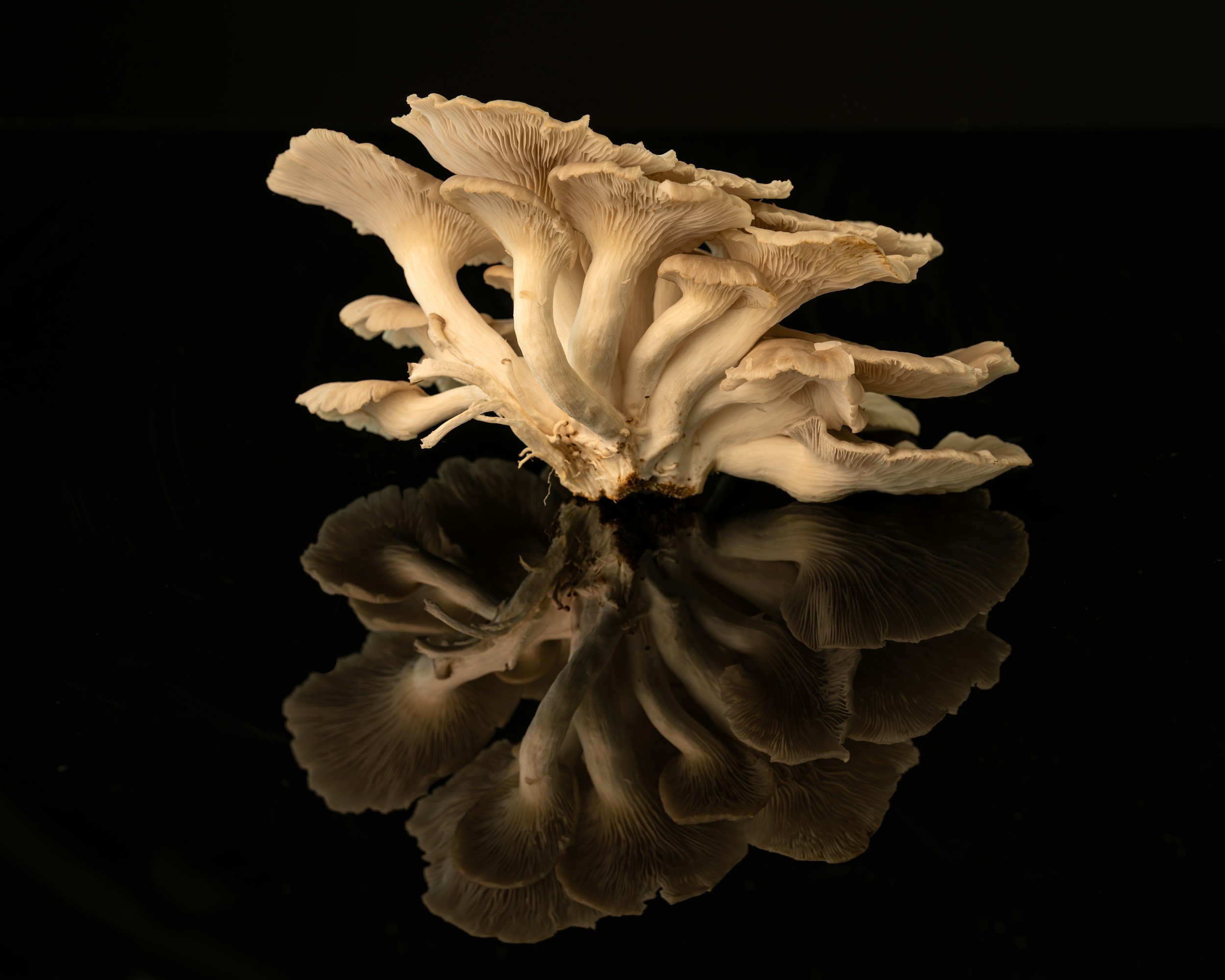
Maitake (Grifola frondosa) is a leafy, cluster-forming mushroom that grows at the base of trees, especially oaks. It’s both a culinary favorite and a well-known medicinal mushroom, used for centuries in traditional Japanese and Chinese practices. Potential health benefits include: Immune support – rich in beta-glucans that help regulate immune response Blood sugar regulation – studied for helping improve insulin sensitivity Heart health – may support healthy cholesterol and blood pressure levels Weight management support – sometimes linked to metabolic balance Antioxidant properties – helps protect cells from oxidative stress
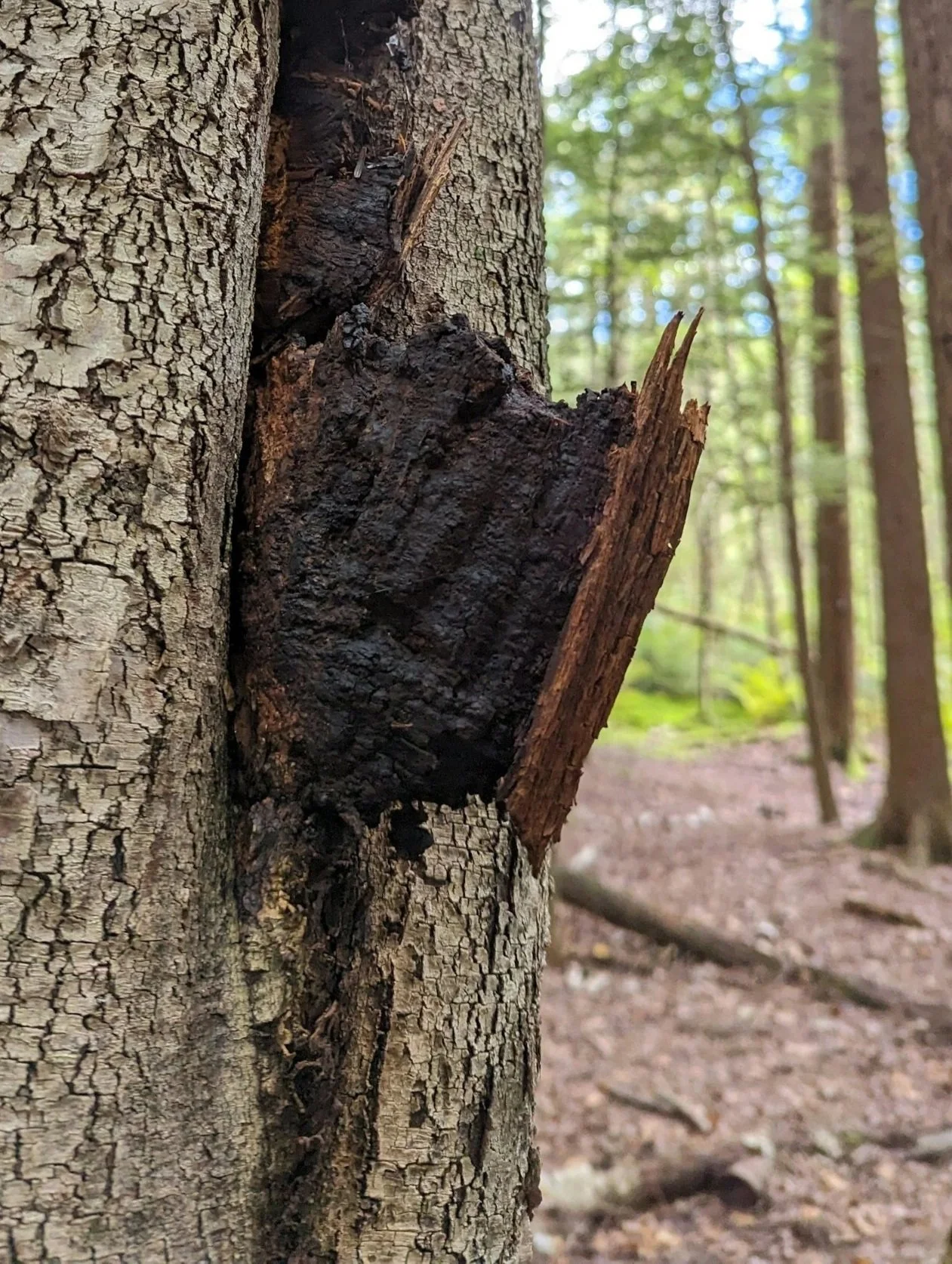
Chaga (Inonotus obliquus) is a dark, crusty fungus that grows on birch trees in cold climates. It’s been used in traditional medicine (especially in Russia and Northern Europe) and is typically consumed as a tea or extract rather than eaten whole. Potential health benefits include: High in antioxidants – helps combat oxidative stress Immune support – may help regulate immune system activity Anti-inflammatory properties – can help reduce inflammation Blood sugar support – studied for helping stabilize glucose levels Cellular protection – compounds may support overall cellular health
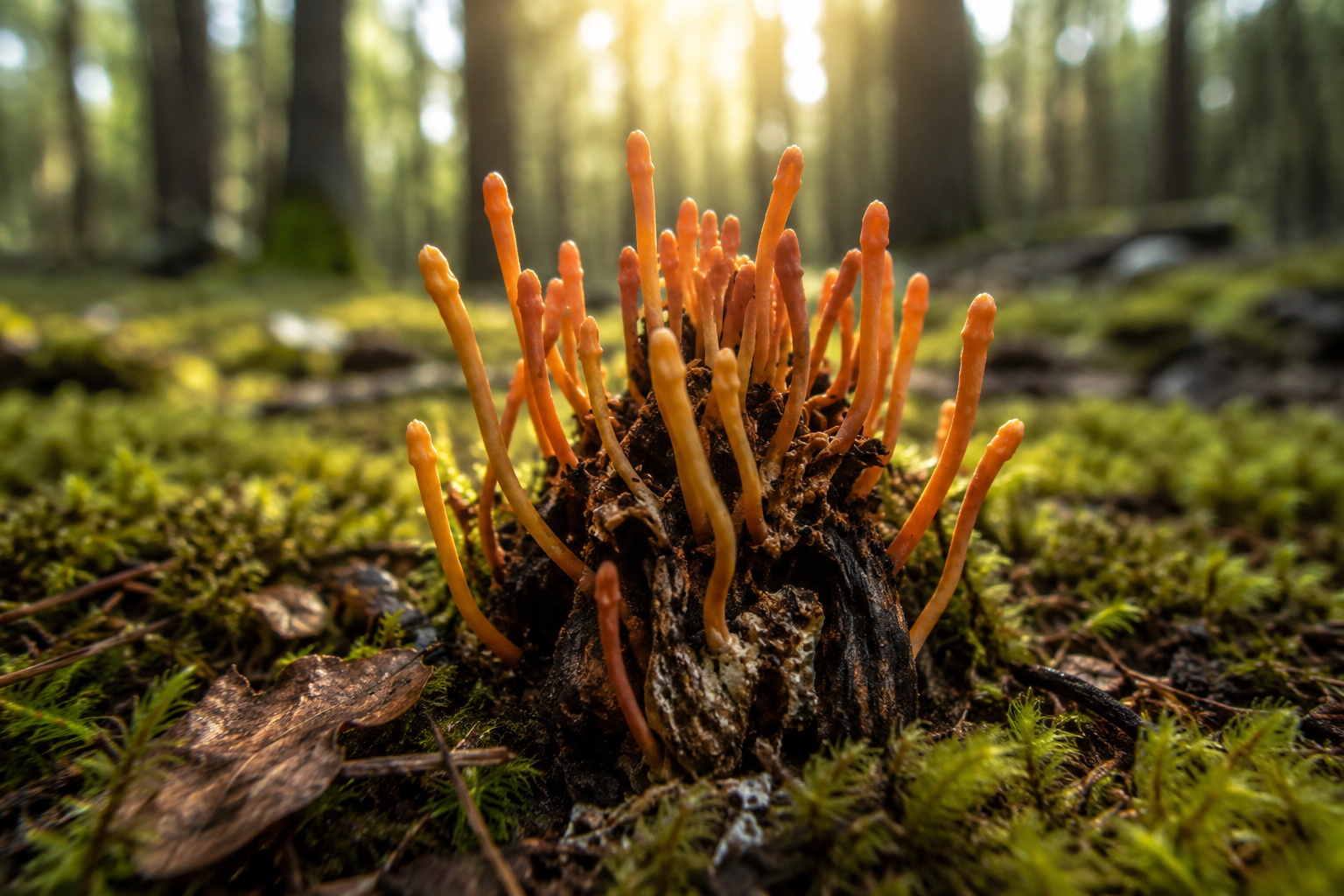
Cordyceps (Cordyceps) is a unique fungus that naturally grows on insect larvae in the wild, though most modern supplements use cultivated versions like Cordyceps militaris. It’s been used in traditional Chinese medicine for centuries, especially for energy, stamina, and overall vitality. Potential health benefits include: Energy & endurance support – may improve oxygen use and ATP production (cellular energy) Athletic performance – studied for boosting stamina and reducing fatigue Respiratory support – traditionally used to support lung function Libido & vitality – historically associated with increased energy and sexual health Anti-aging & antioxidant effects – helps combat oxidative stress and support overall longevity
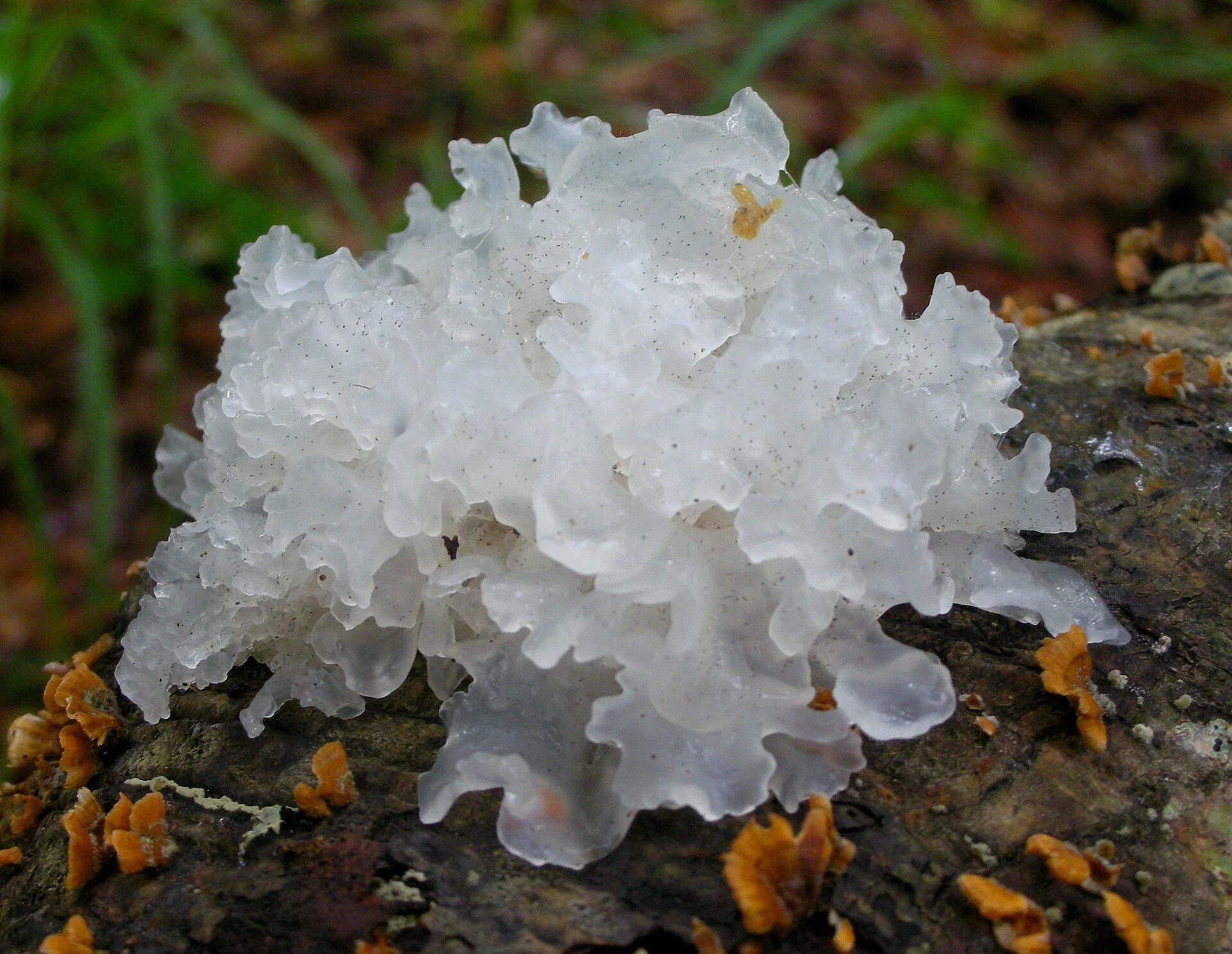
Tremella mushroom (Tremella fuciformis), also known as snow mushroom, is a jelly-like, translucent fungus commonly used in Asian cuisine and traditional medicine. It has a mild taste and is especially valued for its hydrating and skin-supporting properties. Potential health benefits include: Skin hydration & elasticity – rich in polysaccharides that help retain moisture Anti-aging support – antioxidants help protect against skin and cellular damage Immune support – may help regulate immune function Brain health – studied for potential neuroprotective effects Anti-inflammatory properties – may help reduce inflammation in the body