

 Image 1 of 1
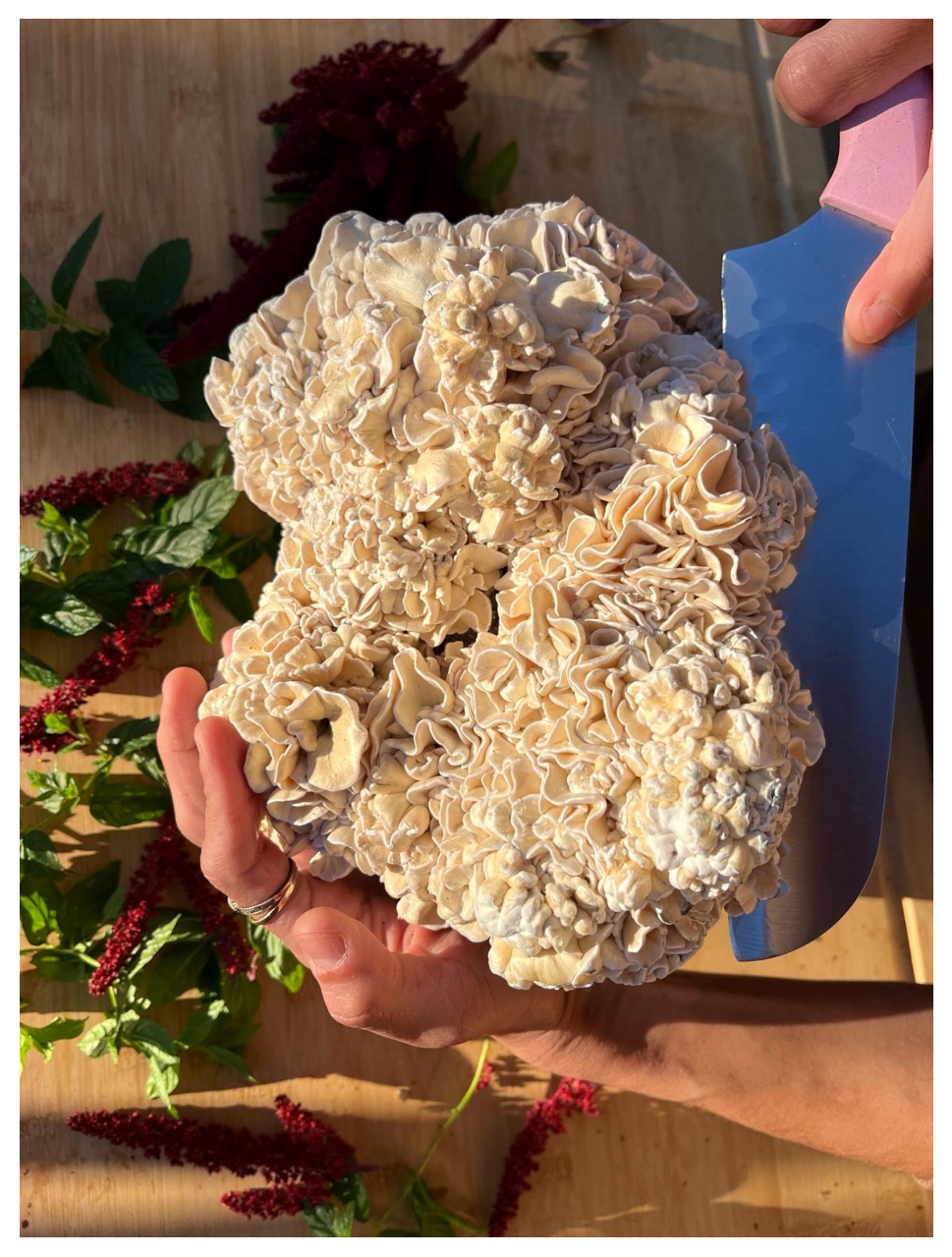
Enigma is unlike most mushrooms at first glance. Rather than a familiar cap-and-stem form, it grows in intricate, coral-like clusters—dense, folded, and otherworldly. Its appearance alone feels almost sculptural, as if shaped more by thought than by chance.
Within mushroom culture, Enigma has become a symbol of mystery, complexity, and depth. It’s often spoken of in hushed tones, associated with experiences that feel immersive and nonlinear—less about spectacle, more about internal landscapes and quiet revelation. Enigma doesn’t present itself plainly; it invites patience and attention.
This variety carries an air of reverence. It resists simplification, encouraging curiosity rather than certainty. In many ways, it embodies the idea that not all knowledge arrives neatly—some insights unfold slowly, layered and abstract, revealing meaning only when you linger with them.
Carefully handled and thoughtfully presented, Enigma represents the edge of mushroom lore: rare, unconventional, and profoundly intriguing.
Enigma is unlike most mushrooms at first glance. Rather than a familiar cap-and-stem form, it grows in intricate, coral-like clusters—dense, folded, and otherworldly. Its appearance alone feels almost sculptural, as if shaped more by thought than by chance.
Within mushroom culture, Enigma has become a symbol of mystery, complexity, and depth. It’s often spoken of in hushed tones, associated with experiences that feel immersive and nonlinear—less about spectacle, more about internal landscapes and quiet revelation. Enigma doesn’t present itself plainly; it invites patience and attention.
This variety carries an air of reverence. It resists simplification, encouraging curiosity rather than certainty. In many ways, it embodies the idea that not all knowledge arrives neatly—some insights unfold slowly, layered and abstract, revealing meaning only when you linger with them.
Carefully handled and thoughtfully presented, Enigma represents the edge of mushroom lore: rare, unconventional, and profoundly intriguing.